

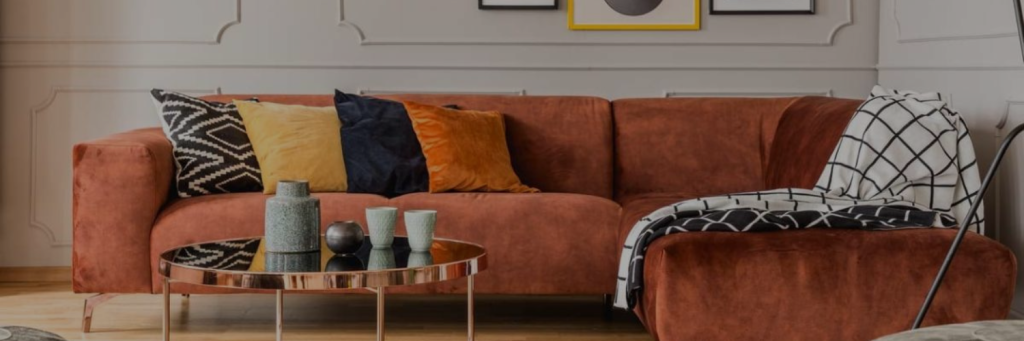
When designing interiors, colour often takes the spotlight. Yet, another element quietly shapes the way a room feels: fabric texture. The tactile qualities of curtains, upholstery, cushions, and throws influence comfort, mood, and perception in ways colour alone cannot. Texture allows spaces to feel layered, intimate, and inviting, adding depth to both minimal and maximal interiors.
Velvet: Luxury in Every Touch
Velvet is synonymous with warmth and elegance. Its soft, dense surface reflects light subtly, giving rooms a gentle glow while inviting touch. In upholstery, velvet adds richness and comfort, making sofas or chairs feel plush and luxurious. On cushions or drapes, it creates contrast against smoother fabrics like cotton or linen, instantly elevating the room’s aesthetic.
Wool: Cozy and Grounded
Wool blends offer both texture and practicality. Rugs, throws, and upholstery in wool bring a sense of grounded warmth, ideal for spaces that aim to feel cozy and lived-in. The tactile quality of wool encourages relaxation, making it perfect for reading corners, bedrooms, or family lounges where comfort is key.
Linen: Effortless Calm
Linen has a natural, slightly crisp texture that adds understated elegance. Its breathable quality makes it ideal for curtains, bedding, or light upholstery. Linen’s subtle irregularities create visual interest, while its soft drape contributes to a room that feels calm and airy. Layering linen with heavier fabrics like velvet or wool creates a balanced interior with varied touchpoints.
Cotton: Everyday Versatility
Cotton remains a versatile, practical choice. Smooth or lightly textured, cotton works for cushions, upholstery, and drapes alike. Its natural softness makes it comfortable for daily use, while patterned or woven cotton fabrics can add subtle dimension to the room without overwhelming other elements.
Layering Textures for Depth
The magic happens when textures are combined thoughtfully. Pairing a velvet sofa with linen curtains, wool throws, and cotton cushions creates a tactile narrative that engages both sight and touch. Texture layering adds warmth and complexity to interiors, making them feel more inviting and intentional.
Conclusion
Fabric texture shapes the mood of a room as much as, if not more than, colour. Velvet, wool, linen, and cotton each bring unique qualities that influence comfort, warmth, and style. By thoughtfully combining textures, interiors become layered, dynamic, and welcoming – spaces that feel as good to touch as they do to look at. Beyond colour, texture creates homes that are lived-in, inviting, and unmistakably personal.