

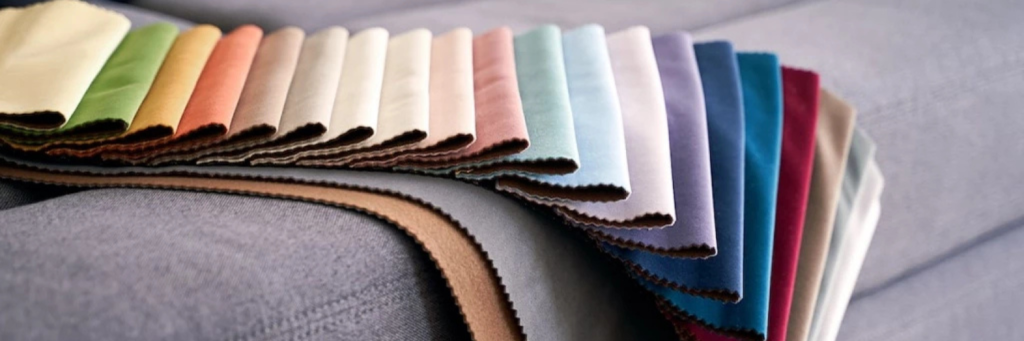
Choosing upholstery for the first time can feel overwhelming. Between colours, patterns, textures, and fabric types, it is easy to either play too safe or go too bold. The key is understanding how prints and texture work together and how they influence the way a space feels over time. Upholstery is not just a visual choice, it is something you live with every day.
This guide breaks it down simply, so choices feel confident rather than confusing.
Start with the Role of the Furniture
Before choosing any fabric, consider how the furniture will be used. A sofa in a family living room needs to handle daily wear, while an accent chair or bench can afford to be more expressive. High-use furniture benefits from forgiving textures and balanced prints that do not show wear easily.
Once usage is clear, fabric decisions become more practical and less emotional.
Understanding Prints Without Overdoing Them
Prints bring personality, but scale matters. Small prints and subtle patterns work well on large furniture pieces like sofas because they create interest without overwhelming the room. They also hide minor stains and wear better than flat solids.
Large-scale prints are best reserved for accent pieces. An armchair, ottoman, or cushions can carry bolder designs without dominating the space. When starting out, it is safer to choose one printed element and keep the rest more restrained.
Sticking to a limited colour palette within the print helps maintain balance. Too many colours make upholstery harder to pair with the rest of the room.
Why Texture Is a Beginner’s Best Friend
Texture adds depth without visual noise. Woven fabrics, soft bouclé, lightly slubbed cottons, or linen blends bring interest even in neutral colours. For beginners, textured solids are often easier to live with than strong prints.
Textured upholstery also ages better. It softens over time and hides everyday wear more gracefully, making it a reliable choice for long-term comfort.
Mixing Prints and Texture the Right Way
A simple rule helps. If the upholstery has a print, keep surrounding elements textured but plain. If the upholstery is solid, you can introduce pattern through cushions or throws.
This balance prevents the room from feeling busy. Texture supports prints, and prints add energy to texture. Together, they create a layered look that feels intentional rather than accidental.
Comfort Should Always Come First
No matter how good a fabric looks, it must feel comfortable. Breathable materials with a pleasant hand feel encourage use. Upholstery that feels stiff or synthetic often loses appeal quickly.
Touch the fabric, sit on it, and imagine daily life around it. Upholstery should invite use, not careful avoidance.
Conclusion
Choosing upholstery for prints and texture does not require expert knowledge, just thoughtful balance. Start with how the furniture will be used, choose prints with restraint, rely on texture for depth, and prioritise comfort. When prints and texture work together, upholstery becomes more than a design choice. It becomes a foundation for spaces that feel welcoming, lived-in, and easy to enjoy every day.