

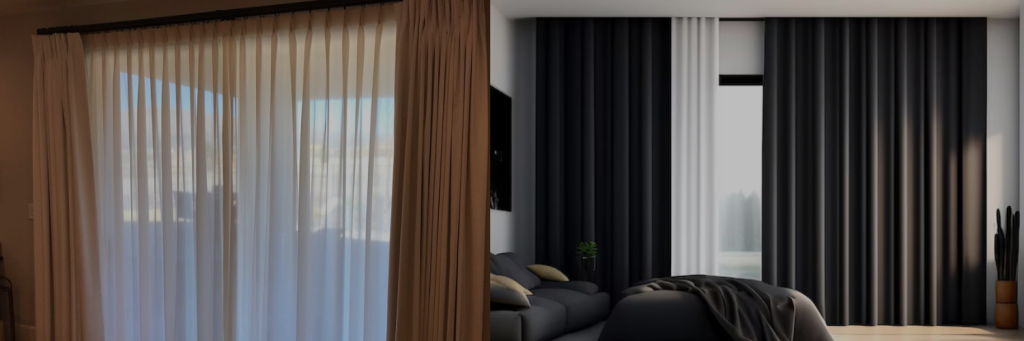
When choosing window fabrics, the decision is rarely just about light. It’s about how a room feels at different times of the day, how private it needs to be, and what kind of atmosphere you want to live with. Sheer and blackout fabrics serve very different purposes, but they are not opposites competing for relevance. They are tools that shape space in distinct ways.
Understanding when and where each works best helps create interiors that feel thoughtful rather than reactive.
The Role of Sheer Fabrics in a Home
Sheer fabrics are about connection. They soften daylight, blur views, and allow rooms to stay visually open. Instead of cutting off the outside world, they filter it. This makes them ideal for spaces where light and movement are welcome.
Living rooms, dining areas, and family spaces benefit from sheer fabrics because they keep the room bright while reducing direct glare. During the day, they offer privacy without darkness, which is especially useful in homes that face neighbouring buildings.
Sheers also influence mood. Light passing through fabric creates a gentle, diffused glow that makes spaces feel calm and breathable. Interiors with sheer curtains often feel larger and more relaxed because light moves freely across surfaces.
Where Blackout Fabrics Belong
Blackout fabrics serve a more protective role. They are designed to block light completely, creating spaces that feel enclosed and controlled. This makes them essential in bedrooms, nurseries, and media rooms where rest, focus, or visual clarity matters.
Beyond light control, blackout fabrics contribute to comfort in other ways. Their density helps stabilise room temperature and reduce outside noise. This makes them valuable in urban settings where external disturbances are common.
Blackout does not have to mean heavy or harsh. Modern blackout fabrics come in soft textures and refined finishes, allowing them to blend into interiors rather than dominate them.
Designing with Both, Not Choosing One
In well-designed homes, sheer and blackout fabrics often work together. Layered window treatments allow spaces to adapt through the day. Sheers handle daylight hours, keeping rooms open and bright. Blackout layers step in during evenings or rest periods, offering privacy and calm.
This approach is not about excess, but flexibility. Rooms feel responsive rather than fixed. Light becomes adjustable, not binary.
Matching Fabric to Lifestyle
The right choice depends on how a space is used. A home office may benefit from sheer fabrics for most of the day, with blackout options available to manage glare during certain hours. Bedrooms may rely on blackout fabrics at night but still feel welcoming with softer layers during the day.
Design works best when fabric decisions follow daily habits, not rules.
Conclusion
Sheer and blackout fabrics play different roles in shaping interiors. Sheers bring light, openness, and connection. Blackout fabrics offer rest, privacy, and control. When used intentionally, they complement rather than replace each other. The most comfortable homes are not built by choosing one over the other, but by understanding how both can work together to support the rhythm of everyday life.