

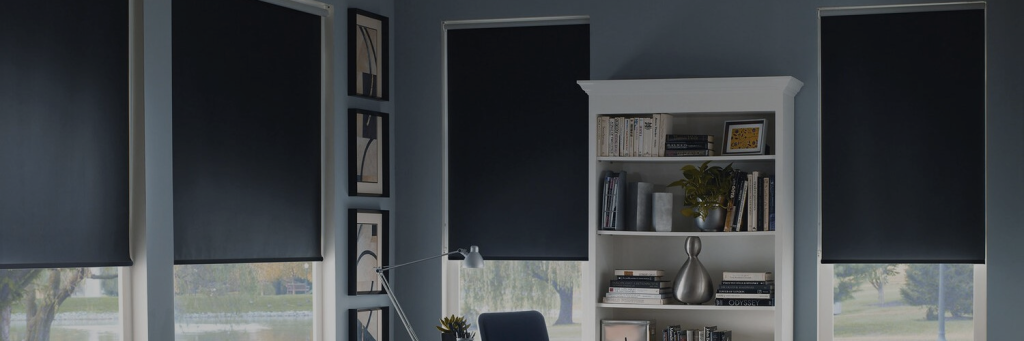
Window fabrics were once chosen mainly for privacy or decor. Today, they play a far more meaningful role in how homes support daily life. As wellness becomes a core focus in interior design, fabrics at the window are being rethought for how they influence sleep, comfort, productivity, and even sound. Blackout fabrics are no longer seen as optional extras. They are becoming lifestyle essentials.
Sleep Starts with Light Control
Sleep quality is closely tied to light exposure. Streetlights, early sunrise, and ambient city glow interfere with the body’s natural rhythm, often without being consciously noticed. Blackout fabrics help create a consistently dark environment, which supports deeper and more restorative sleep.
What makes blackout fabrics especially relevant today is how adaptable they have become. They are no longer heavy or visually restrictive. Modern blackout textiles are softer, more breathable, and available in finishes that blend easily into both minimal and layered interiors. Bedrooms feel calm rather than closed.
Comfort Is More Than Temperature
Comfort is often mistaken for warmth or coolness, but it also includes visual and sensory balance. Window fabrics help regulate how heat and light move through a space. Blackout and dimout fabrics reduce heat loss at night and limit harsh daylight during peak hours, keeping rooms more stable throughout the day.
This stability reduces reliance on artificial heating and cooling, creating a more comfortable and energy-aware home environment. Fabric becomes an active layer of comfort rather than a passive covering.
Productivity Needs the Right Kind of Light
In work-from-home spaces, light is a double-edged sword. Too little light reduces focus, while glare increases fatigue. Window fabrics allow light to be managed rather than eliminated. Blackout fabrics, when layered or partially used, help control screen glare during certain hours while still allowing brightness when needed.
This flexible light control supports longer periods of focus without visual strain. Home offices benefit when window fabrics are chosen with function in mind, not just appearance.
Improving Acoustics Through Soft Surfaces
Sound is an often-overlooked aspect of wellness. Hard surfaces reflect noise, making spaces feel louder and more stressful. Window fabrics absorb sound, reducing echo and softening outside noise.
Blackout fabrics, due to their density, are particularly effective at improving acoustics. Rooms feel quieter and more contained, which contributes to mental calm and better concentration.
A Shift from Decor to Design Strategy
The growing use of blackout fabrics reflects a broader shift in interiors. Homes are being designed to support rest, focus, and emotional well-being. Window fabrics are no longer finishing touches. They are part of the structure of a healthy home.
Conclusion
Blackout fabrics have moved beyond their traditional role. They now support sleep quality, improve comfort, enhance productivity, and soften sound. As wellness design becomes more intentional, window fabrics are taking on greater responsibility. They quietly shape how spaces feel, function, and support everyday life, making them a necessity rather than a trend.