

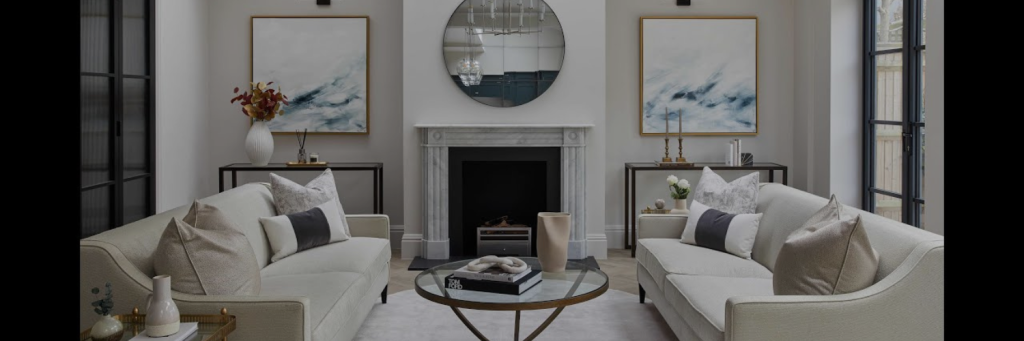
The shift toward sustainability in interiors is no longer just a trend, it’s a movement. As homeowners rethink the way they design their spaces, circular and regenerative design has emerged as one of the most influential approaches. Unlike fast décor, which encourages frequent replacements and quick style changes, circular design focuses on longevity: products that are modular, repairable, recyclable, and made with mindful material choices.
What Circular Design Really Means
Circular design aims to keep materials and products in use for as long as possible. Instead of discarding furniture, flooring, upholstery, or home elements when trends change, the goal is to choose pieces that can be adapted, repaired, or repurposed. This makes the home not only more sustainable but also more personal because everything in it has a purpose and a story.
Regenerative design goes a step further. It uses materials and practices that restore ecosystems instead of just reducing harm. Think renewable materials, responsibly sourced wood, and low-impact manufacturing.
Reclaimed and Recycled Materials in Interiors
One of the simplest ways to incorporate circularity into home design is by adopting reclaimed or recycled wood flooring. Reclaimed wood carries natural texture and history, while recycled options use leftover materials that would otherwise be wasted. These surfaces bring warmth and longevity to spaces, ensuring your flooring ages beautifully rather than needing replacement every few years.
Blinds are also evolving in this direction. Many modern window treatments now use renewable or recyclable fabrics, minimizing environmental footprint while offering aesthetic versatility. Natural weaves, bamboo, and fabric blinds made from recycled fibres fit seamlessly into contemporary interiors while supporting conscious living.
Modular Furniture and Adaptable Spaces
Circular design also celebrates modularity, furniture that can be rearranged, expanded, or transformed as needs change. A sofa that can be reconfigured, a shelving unit that adapts to new layouts, or a dining bench that doubles as storage supports both sustainability and functionality. These pieces stay useful for much longer, reducing waste and creating a home that evolves with you.
Design as a Long-Term Investment
Circular interiors promote a shift in mindset: invest once, use for years. Whether it’s choosing durable flooring, blinds that last season after season, or furniture built for adaptability, this approach encourages thoughtful decisions that pay off over time. Brands offering long-lasting materials and mindful craftsmanship naturally align with this philosophy.
Conclusion
Circular and regenerative design isn’t just about eco-friendly choices, it’s about creating interiors that are timeless, adaptable, and deeply responsible. By embracing reclaimed materials, renewable fabrics, durable finishes, and modular pieces, your home becomes more than a living space, it becomes a long-term ecosystem of comfort, purpose, and sustainability. This is the future of design: intentional, long-lasting, and beautifully conscious.