

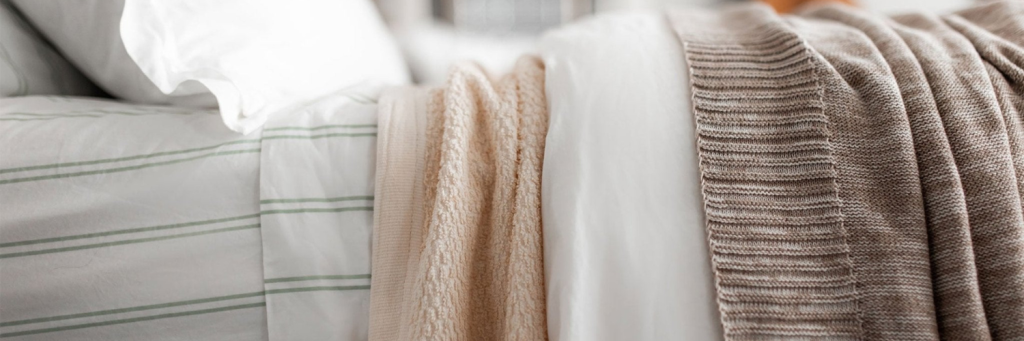
Well-being at home is shaped by more than layout and colour. It is influenced by how a space feels to live in every day. Fabrics play a quiet but powerful role in this experience. Through curtains, upholstery, rugs, and tactile surfaces, interiors can be layered to create comfort, reduce visual stress, and encourage calm.
Layering is not about adding more. It is about choosing the right materials and letting them work together.
Curtains That Soften the Environment
Curtains are often the first layer of comfort in a room. They manage light, improve privacy, and reduce visual sharpness. Sheer curtains allow daylight to filter in gently, creating a sense of openness without exposure. Heavier fabrics add warmth and help rooms feel protected, especially in spaces meant for rest.
When curtains fall softly and are sized generously, they improve acoustics as well. Sound feels contained, and rooms become quieter without effort. This subtle reduction in noise supports mental calm, particularly in urban homes.
Upholstery That Encourages Rest
Upholstery is one of the most tactile elements in an interior. Sofas, chairs, and cushions are surfaces we interact with constantly. Fabrics that feel soft and breathable encourage relaxation, while harsh or overly stiff materials create subconscious discomfort.
Textured upholstery, whether woven, lightly patterned, or matte in finish, adds depth without visual clutter. Neutral tones work well here, allowing the body to relax rather than stay alert. When seating feels comfortable to touch, rooms naturally feel more welcoming.
Rugs That Ground the Space
Rugs act as both visual and physical anchors. They soften hard flooring, reduce echo, and create zones of comfort within a room. Walking on a rug instantly changes how a space feels, making it calmer and more grounded.
Layering rugs with other fabric elements creates continuity. The room feels connected rather than segmented. Even minimal interiors benefit from this softness, as it prevents spaces from feeling cold or incomplete.
Tactile Surfaces Create Emotional Balance
Well-being is closely linked to sensory experience. Tactile surfaces such as textured cushions, throws, and upholstered headboards introduce touch-based comfort. These elements make spaces feel lived-in and reassuring.
When fabrics vary subtly in texture but remain consistent in tone, interiors feel rich yet calm. The eye rests easily, and the body feels at ease.
Conclusion
Interior layers shape how a home supports well-being. Curtains soften light and sound, upholstery encourages rest, rugs ground the space, and tactile surfaces add emotional comfort. When fabrics are chosen with intention, homes become places that feel calm without effort. Thoughtful layering creates interiors that nurture both body and mind, turning everyday spaces into environments that truly support comfort and balance.