

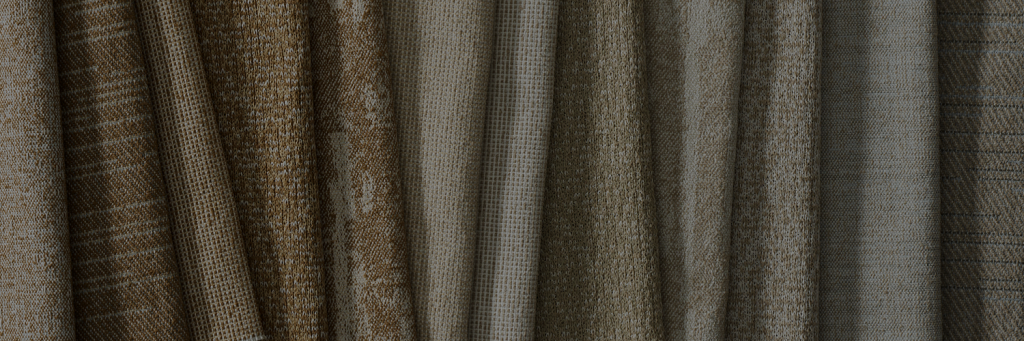
As homes continue to shift from being purely visual spaces to deeply lived-in environments, fabric choices are taking centre stage in interior design. In 2026, the focus is moving away from polished perfection and toward materials that feel natural, tactile, and comforting. Textiles are no longer just decorative layers, they are shaping the emotional tone of interiors. This year’s fabric trends point clearly toward softness, texture, and authenticity.
Linen Blends Lead the Way
Linen has been popular for a while, but in 2026 it evolves through blends. Linen mixed with cotton or subtle synthetic fibres offers the relaxed look of linen with improved durability and easier maintenance. These blends work especially well for curtains and upholstery, where movement and drape matter as much as appearance.
The appeal of linen blends lies in their quiet texture. Slight irregularities in the weave give spaces a lived-in quality, signalling a move away from overly crisp or formal interiors. Homes are leaning into comfort that looks effortless rather than styled.
Boucle Brings Soft Structure
Bouclé continues its rise, particularly in upholstery. Its looped texture adds depth and warmth without relying on colour or pattern. In 2026, bouclé is being used more thoughtfully, not as a statement everywhere, but as a grounding element in seating, accent chairs, and soft furnishings.
What bouclé signals is a desire for tactile comfort. Spaces are meant to be touched and used, not just admired. This texture supports the growing preference for calm, cocoon-like interiors that feel safe and inviting.
Woven Textures Add Visual Calm
Flat, smooth fabrics are giving way to woven textures that introduce subtle movement. These textiles work well in both curtains and upholstery, adding interest without overwhelming the room. The emphasis is on tone-on-tone weaves rather than high-contrast patterns.
Woven fabrics also interact beautifully with light. They diffuse daylight softly, reducing glare and creating a balanced indoor atmosphere. This aligns with the broader design shift toward gentle light and visual ease.
A Softer Interior Mood
Together, these fabric trends point to a clear interior mood for 2026. Homes are becoming quieter visually but richer in feel. Instead of bold prints and sharp finishes, there is a preference for layered neutrals, warm textures, and materials that age gracefully.
This movement reflects a deeper change in how people want their homes to function. Interiors are becoming spaces for rest, focus, and emotional comfort, not just style statements.
Conclusion
The 2026 fabric forecast is less about trends and more about values. Linen blends, bouclé, and woven textures reflect a shift toward interiors that feel honest, soft, and enduring. These materials shape homes that are calm without being plain and warm without being heavy. As fabrics take on a more central role, they quietly define the way homes look, feel, and support everyday living.