

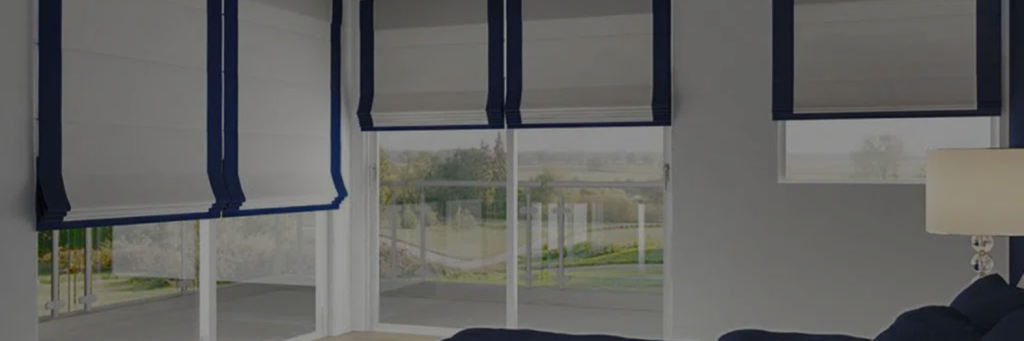
Light affects how we think, feel, and function throughout the day. It shapes mood, focus, rest, and even how safe a space feels. When it comes to windows, the decision to filter light or block it completely is not only a design choice, it is a psychological one. Understanding how these two approaches work helps create rooms that support everyday life rather than fight it.
Why Light Filtering Feels Calming
Filtered light creates softness. When daylight passes through sheer or light-filtering blinds, it spreads evenly across the room instead of hitting surfaces harshly. This reduces glare and visual fatigue, making spaces feel calmer and more welcoming.
Psychologically, filtered light supports alertness without overstimulation. It is ideal for living rooms, kitchens, and home offices where focus and comfort need to coexist. The room stays bright, but not exposed. Privacy is maintained without the feeling of being cut off from the outside world.
Fabric blinds, sheer systems, and cellular blinds work well here. They soften contrast, reduce sharp shadows, and create a gentle rhythm of light that feels natural through the day. Homes with filtered light often feel more open, balanced, and emotionally lighter.
Why Light Blocking Feels Secure
Blocking light serves a very different purpose. Darkness signals rest to the brain. When external light is fully blocked, the body relaxes more deeply. This is why blackout solutions are so effective in bedrooms, nurseries, and media rooms.
Light blocking also creates a sense of enclosure. Spaces feel protected and private, which reduces subconscious alertness. For homes facing busy roads, streetlights, or neighbouring buildings, this sense of separation is essential for mental comfort.
Blackout blinds and layered curtain systems help create controlled darkness when needed. The room becomes a place of pause, supporting sleep, recovery, and quiet activities without interruption.
Context Matters More Than Preference
Neither filtering nor blocking is better on its own. The impact depends on where and when it is used. Filtering suits daytime spaces and shared rooms. Blocking suits rest zones and night routines.
Homes that feel emotionally balanced often use both approaches. Living areas allow light to pass through gently. Bedrooms and private spaces shut it out completely when required. Motorised blinds make this transition smoother, allowing light levels to change without effort or disruption.
Light Control Shapes Daily Rhythm
The human mind responds to light cues constantly. Soft daylight supports productivity. Reduced light supports calm. Darkness supports rest. When window treatments allow spaces to adapt to these needs, homes feel more intuitive and comfortable.
Conclusion
Light filtering and light blocking influence how spaces feel, not just how they look. Filtering supports openness, clarity, and calm focus. Blocking supports privacy, rest, and emotional security. When used thoughtfully across different rooms, these approaches work together to create homes that respond to real human needs. Good light control is not about choosing one over the other. It is about understanding when each one belongs.