

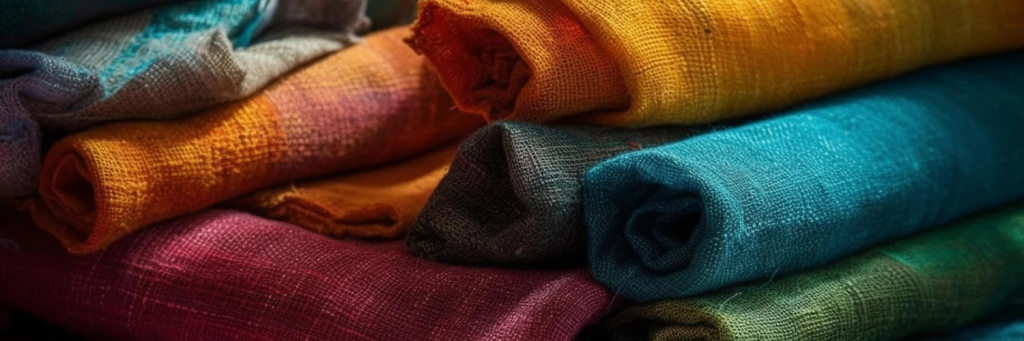
Sustainability in interior design is no longer a niche conversation. It has become a practical and conscious way of thinking about how homes are furnished and how materials perform over time. Sustainable Fabrics, in particular, are at the centre of this shift. Curtains, upholstery, and soft furnishings cover large surfaces and see daily use, which makes material choice more important than ever.
The sustainable fabric movement is not about sacrificing comfort or style. It is about choosing textiles that last longer, feel better, and leave a lighter footprint.
Recycled Fabrics with a Refined Look
Recycled textiles have evolved significantly in recent years. What was once associated with rough finishes or limited colour options is now being reimagined into refined, durable fabrics suitable for modern interiors. Recycled polyester and blended fibres are being used in upholstery and curtains that hold structure well and resist wear.
These materials support sustainability by reducing waste while still offering consistency in texture and colour. They are especially useful in high-use areas where durability matters, making them a practical choice rather than a compromise.
Organic Fibres and Natural Comfort
Organic cotton, linen, and wool continue to gain attention for their low-impact production and natural feel. These fabrics are breathable, comfortable, and gentle on the skin, making them ideal for everyday living spaces.
Organic fibres often come with subtle variations in texture and weave. These imperfections add character and warmth to interiors, creating spaces that feel relaxed rather than overly polished. Over time, these fabrics soften and settle, enhancing comfort rather than losing appeal.
Long-Lasting Materials as a Design Value
Sustainability is not only about where fabrics come from, but also how long they last. Textiles that age gracefully reduce the need for frequent replacement, which lowers long-term environmental impact.
Durable weaves, textured finishes, and blended fabrics that resist stretching or fading are becoming preferred choices. Upholstery that maintains shape and curtains that hold their drape contribute to homes that feel stable and thoughtfully designed.
This focus on longevity also aligns with a growing preference for timeless interiors over trend-driven updates.
A Shift in How Homes Are Furnished
The move toward sustainable fabrics reflects a broader change in lifestyle. Homes are becoming spaces for rest, focus, and balance. Materials that feel natural and perform reliably support this shift more effectively than fast décor solutions.
Eco-conscious textiles allow interiors to feel warm and layered without excess. They encourage mindful purchasing, where quality is valued over quantity.
Conclusion
The sustainable fabric movement is reshaping how interiors are designed and experienced. Recycled materials reduce waste, organic fibres bring natural comfort, and long-lasting textiles support thoughtful living. Together, these fabrics create homes that feel responsible without feeling restrictive. Sustainability in interiors is no longer about making a statement. It is about making choices that feel right today and continue to feel right over time.